Poison Oak Removal in Philadelphia, PA
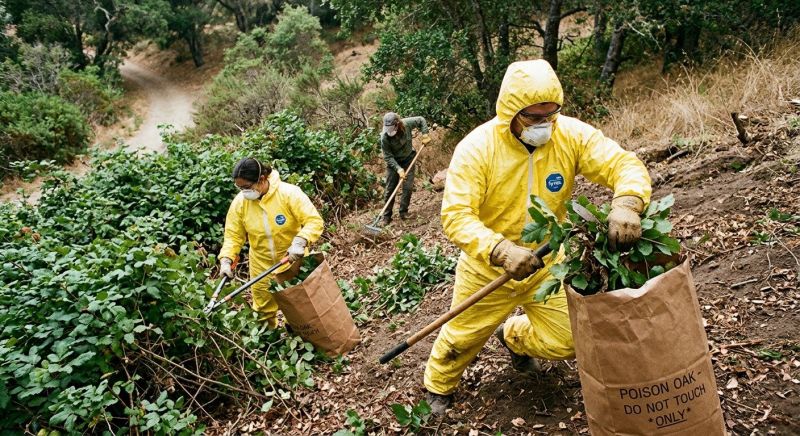
Poison oak removal services focus on safely eliminating this hazardous plant from residential properties. These services typically involve identifying and carefully removing poison oak from yards, gardens, and other outdoor spaces to prevent contact and skin irritation. Projects can range from clearing small patches along fences or pathways to larger-scale removal in wooded areas or overgrown lots, helping property owners maintain a safe and accessible outdoor environment.
Before requesting poison oak removal, property owners should consider the extent of the infestation and whether the plant is located near areas of frequent activity or landscaping features. It’s also helpful to understand the potential risks associated with handling poison oak and to communicate any specific concerns about sensitive areas or nearby plants. Proper removal minimizes the risk of spreading the plant and ensures safety for residents and children playing outdoors.
Many property owners in Philadelphia, PA look into Poison Oak Removal for repairs, replacements, upgrades, and appearance-related improvements.
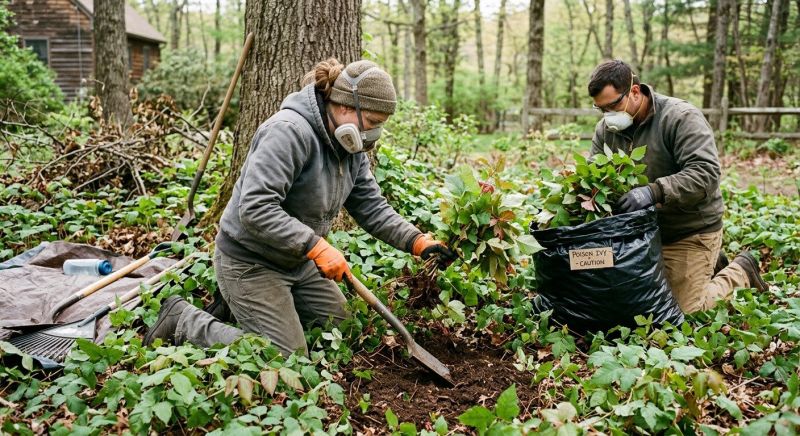
Poison Oak Removal For Safety
Removing poison oak helps protect residents and visitors from skin irritation and allergic reactions.
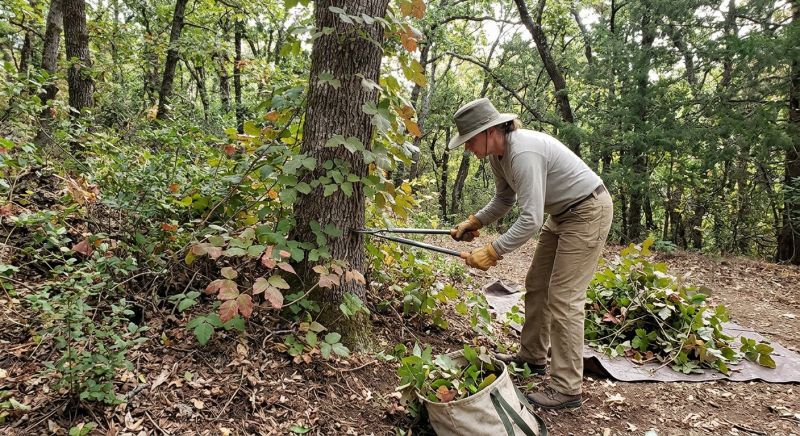
Property Clearing And Maintenance
Clearing poison oak can improve the appearance and safety of residential yards and commercial landscapes in philadelphia.
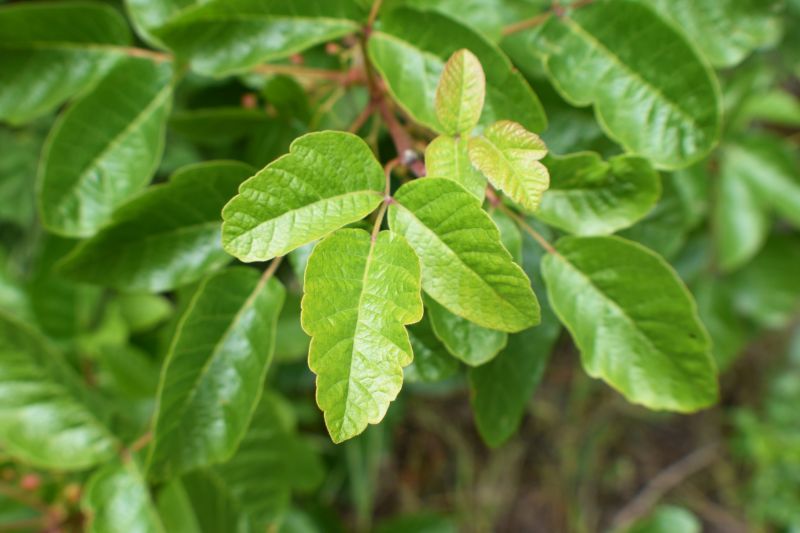
Preventative Landscape Care
Proper removal techniques reduce the risk of poison oak regrowth and keep outdoor spaces safe for families and pets.
Poison Oak Removal in Philadelphia, PA

Poison oak removal services focus on safely eliminating this hazardous plant from residential properties. These services typically involve identifying and carefully removing poison oak from yards, gardens, and other outdoor spaces to prevent contact and skin irritation. Projects can range from clearing small patches along fences or pathways to larger-scale removal in wooded areas or overgrown lots, helping property owners maintain a safe and accessible outdoor environment.
Before requesting poison oak removal, property owners should consider the extent of the infestation and whether the plant is located near areas of frequent activity or landscaping features. It’s also helpful to understand the potential risks associated with handling poison oak and to communicate any specific concerns about sensitive areas or nearby plants. Proper removal minimizes the risk of spreading the plant and ensures safety for residents and children playing outdoors.
Many property owners in Philadelphia, PA look into Poison Oak Removal for repairs, replacements, upgrades, and appearance-related improvements.
Common Poison Oak Removal Jobs
Poison Oak Removal - Safely eliminates poison oak from yards and landscaping areas.
Poison Oak Clearing - Removes invasive plants to protect outdoor spaces and prevent spreading.
Poison Oak Trimming - Prunes and manages poison oak growth to reduce contact risks.
Poison Oak Eradication - Completely removes poison oak plants to restore property safety.
Poison Oak Control - Implements strategies to prevent future poison oak growth.
Poison Oak Management - Provides ongoing maintenance to keep poison oak from returning.
Poison Oak Removal Questions
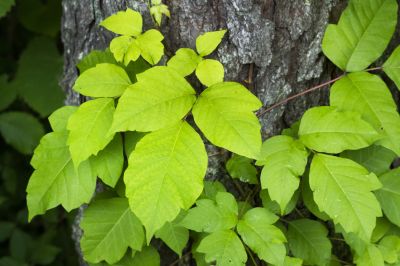
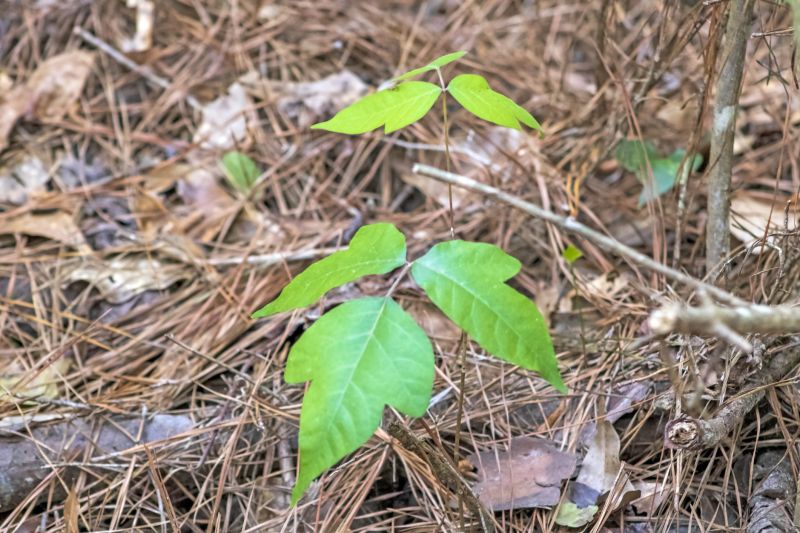
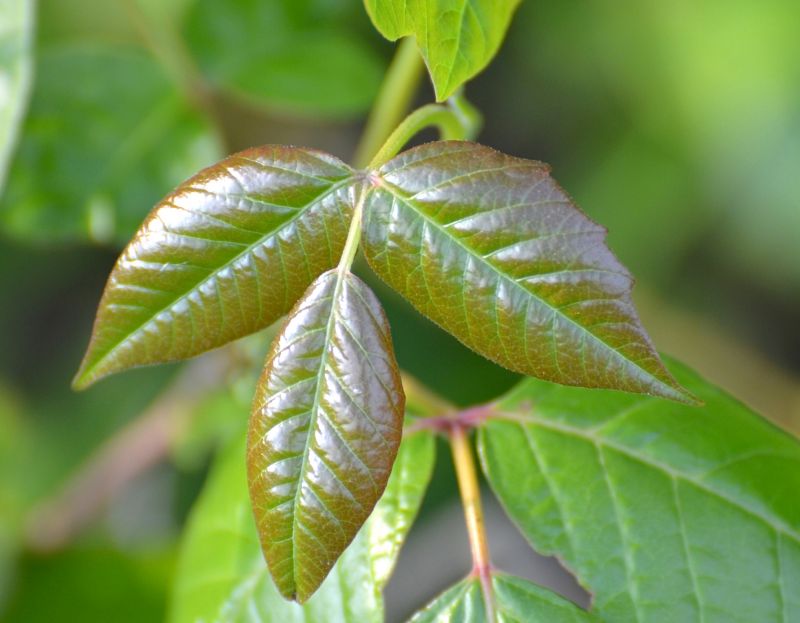
What is poison oak removal? Poison oak removal involves safely eliminating plants that can cause skin irritation and allergic reactions on residential or commercial properties.
When should poison oak be removed? Removal is recommended when plants are in high-traffic areas or near recreational spaces to prevent contact and allergic reactions.
How is poison oak removal performed? The process typically includes careful cutting, digging, or spraying to eradicate the plants while minimizing damage to surrounding landscaping.
Is poison oak removal safe for property landscapes? Yes, when performed by experienced professionals, removal methods are designed to safely eliminate poison oak without harming other plants.
Request Poison Oak Removal in Philadelphia, PA
Use the quote form on this page to share the basics of your project and request more information for the type of work you need.